

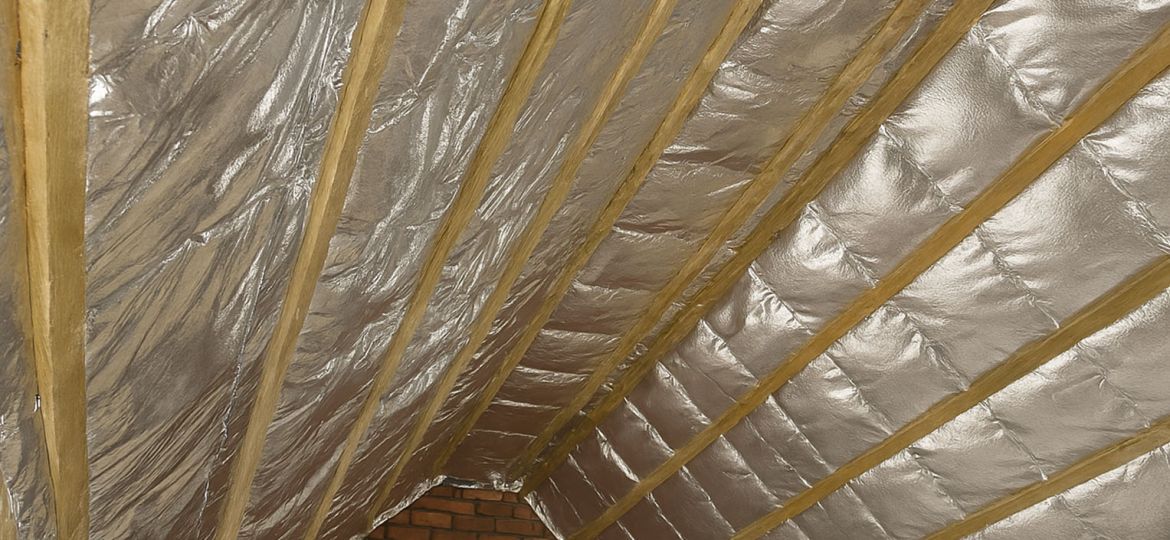
As the construction industry evolves, the demand for innovative and efficient insulation solutions has never been greater. Among these advancements, multifoil insulation has become a highly effective option for modern buildings. This blog explores the benefits of multifoil insulation and why it is the ideal choice for contemporary construction projects, particularly in the context of evolving energy regulations and sustainability objectives.
What is Multifoil Insulation?
Multifoil insulation consists of several layers of reflective and insulating materials, creating a thin, lightweight product designed to combat heat loss and gain. This versatile option is suitable for various applications, including roofs, walls, and floors, enhancing the overall thermal performance of buildings.
Key Benefits of Multifoil Insulation
1. Superior Thermal Performance
One of the primary advantages of multifoil insulation is its exceptional thermal performance. The combination of reflective layers and insulation materials minimises heat transfer, helping to keep buildings warm in winter and cool in summer. This regulation of indoor temperatures reduces reliance on heating and cooling systems, leading to lower energy costs. Advanced reflective membranes are designed to enhance energy efficiency by reflecting radiant heat and incorporating low emissivity surfaces that reduce heat loss, further boosting overall thermal performance.
2. Enhanced Fire Safety
A significant consideration in modern construction is fire safety. High-performance reflective insulation membranes not only maximise thermal efficiency but also meet stringent fire safety requirements. For example, certain A1 non-combustible membranes are engineered to enhance the thermal performance of external walls while preventing any contribution to fire growth. These materials are tested and certified to recognised standards, ensuring they do not produce flaming droplets or smoke. This capability provides critical time for evacuation and firefighting efforts, aligning with evolving building codes that demand enhanced fire safety measures.
3. Space Efficiency
Due to its thinner profile, multifoil insulation is ideal for projects where space is at a premium. Its lightweight design allows for simple installation without adding excessive bulk – making it particularly beneficial for retrofitting existing structures or for modern designs that prioritise space optimisation.
4. Moisture Control
Effective moisture management is essential for preventing condensation and mould growth within buildings. Quality multifoil insulation acts as a barrier against moisture ingress while allowing necessary breathability. For instance, reflective breather membranes designed for external applications enable moisture to escape, preventing condensation build-up and maintaining a healthy indoor environment. Additionally, membranes with excellent vapor resistance can safeguard against unwanted moisture penetrating the building fabric, protecting against deterioration and mould growth.
5. Environmental Considerations
As sustainability becomes a focal point of modern construction, multifoil insulation presents an eco-friendly option. Typically constructed from recyclable materials, it significantly reduces energy consumption in buildings, lowering the carbon footprint. Furthermore, many manufacturers prioritise sustainable sourcing and environmentally friendly production methods, contributing to greener building practices and a more sustainable construction industry.
6. Cost Effectiveness
While the initial investment in high-performance multifoil insulation may be higher than conventional materials, the long-term savings on energy costs and potential increases in property value make it a cost-effective choice. Its durability also means fewer replacements over time, reducing lifecycle costs. Moreover, advanced products with Class W2 and W1 resistance to water penetration ensure that the building envelope remains protected from moisture, which translates to longer-lasting performance and reliability.
7. Versatility in Design Applications
Another important aspect of multifoil insulation is its versatility in design applications. It is suitable for a range of building types, from residential homes to commercial properties and public infrastructure. This adaptability allows architects and builders to employ multifoil insulation in various settings, ensuring tailored solutions that meet project-specific requirements. The ease of integration into both new builds and renovations contributes to its appeal, offering a reliable insulation choice that complements modern architectural trends.
8. Compliance with Building Regulations
With increasing regulatory scrutiny on energy efficiency and fire safety, incorporating multifoil insulation can help ensure compliance with the latest building codes and standards. As authorities implement stricter guidelines to improve overall building safety and performance, materials that meet high safety classifications, such as A1 non-combustible ratings, become essential. By utilising multifoil insulation solutions, builders can confidently navigate regulatory requirements while achieving optimal energy efficiency and safety standards.
Get in Touch
In the quest for energy efficiency, space optimisation, and environmental sustainability, multifoil insulation emerges as an ideal solution for modern construction. With innovative options that enhance thermal performance while prioritising fire safety and moisture control, builders and architects can ensure the creation of safer, more sustainable structures. By integrating multifoil insulation into upcoming projects, significant benefits can be realised in both performance and compliance with today’s stringent safety regulations.
For more information on advanced insulation solutions and their benefits for your construction projects, look no further than Thermic Technology.
For more information on our fire-rated products and thermal insulation solutions, please visit our website or contact us today!